

Preparing a nursery for twins or siblings comes with a unique challenge: you need to create a safe sleep space for two babies without making nighttime care even harder.
While it’s common for twins to share a crib during the first few months after birth, some families struggle to follow safe sleep recommendations while managing limited nursery space and the demands of caring for two babies.
So, how do you choose the right crib for your twins? The answer depends on your children’s ages, the size of your nursery, your nighttime routine, and your budget. This guide helps you compare options and plan a safe, practical space for twins or siblings.
Can Twins or Siblings Share a Crib?

When you have twins, sharing one crib may seem like a simple solution. After all, it saves space and keeps the babies close together. A 2012 study found that more than half of the twins in its sample were sharing a crib during the first few months at home.
However, what seems practical at first may become harder to manage as babies grow and their sleeping needs change. Current safe-sleep guidance recommends that twins and other multiples sleep on separate surfaces rather than sharing the same crib.
Each baby should have their own crib or other appropriate sleep space. This way, you can keep your twin babies close while providing each of them with their own sleeping area. For siblings of different ages, the setup may be different. A newborn may need a crib while an older sibling may already be ready for a toddler bed or another suitable sleeping space.
The goal is not simply to find the biggest crib or fit two babies into one space. It is to create a setup that gives each child a safe place to sleep while still working for your family’s room, routine, and needs.
Read more: Double the Love, Double the Fun: Tips for Parenting Twins
Crib Options for Twins or Siblings
Once you know that each baby needs their own safe sleeping space, the next question is: what setup makes the most sense for your family?
No single sleeping arrangement works for everyone. When comparing options, consider your children’s ages, nursery size, daily routine, and how long you plan to use the furniture.
1. A Crib Designed for Twins
The term “twin crib” can refer to different products. Some are designed for one baby, while others may be sold as part of a twin nursery set.
Always check the product details, intended use, age range, and weight limit. If a crib is designed for one baby, never place two babies inside it.
Matching cribs can also create a neat, coordinated nursery while giving each baby their own sleeping space.
2. Two Individual Cribs
If you are setting up a nursery for twins, two individual cribs can give each baby separate sleeping spaces, while letting you arrange the nursery around the room’s layout. You can place them side by side or on opposite sides of the room.
Two cribs do take up more space and may cost more, but they also give you more flexibility when choosing features such as adjustable mattress heights or convertible designs.
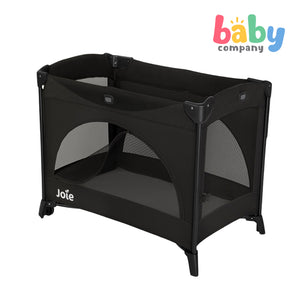

Giant Carrier Geofrey Playpen N1 - Blue Green

Apruva 3 in 1 Playpen with Princess Net - White
3. Convertible Cribs
Convertible cribs can grow with your child. Depending on the model, they may later convert into a toddler bed, daybed, or another type of bed. For twins or siblings, you can choose two matching convertible cribs or have one for a newborn while an older child moves to a toddler bed.
4. Separate Sleeping Spaces in the Same Nursery
You do not always need two full-sized cribs. Your children’s ages and needs can help you determine the right setup.
For example, a newborn can sleep in a crib while an older sibling uses a toddler bed. If space is limited, you may also choose to keep one safe sleep space in the nursery and another in your bedroom during the early months.

Uratex Sofa Bed Kiddie Sit & Sleep - Floral

Whatever setup you choose, make sure each child has a safe and suitable place to sleep. Check out Baby Company’s e-catalog for more crib options available at Baby Company stores:
Read more: Crib vs Playpen: What’s Best for Your Baby’s First Bed?
How to Choose a Crib for Twins or Siblings

With two children sharing a nursery, small details can make everyday care easier. When comparing cribs, focus on these features:
1. Check the Safety Features: Choose a sturdy crib with secure sides, safe materials, and no loose or damaged parts.
2. Choose the Right Size: A full-sized crib gives your baby more room to grow, while a smaller crib may work better in a compact room.
3. Measure Your Nursery: For twins’ nursery, measure the room, doorways, and hallways the crib needs to pass through.
4. Think About Nighttime Access: Place each crib where you can reach your baby without squeezing into a tight space. If you have two cribs, leave enough room to stand beside and access each one.
5. Check the Construction: Check the frame, legs, sides, and other parts to make sure they are secure and do not wobble. Follow the assembly instructions and use only the correct parts.
7. Think About Long-Term Use: Convertible cribs may offer more long-term use by changing into toddler beds or other types of beds.
8. Set a Realistic Budget: Sleeping spaces for two children can add up, so set a budget before shopping. Remember to include mattresses and bedding needs.


Choosing Between One Crib or Two
Your children’s ages, sleeping needs, and available space can help you decide which setup makes sense for your family.
|
Your Situation |
Sleeping Setup to Consider |
What to Keep in Mind |
|
Preparing for twins |
Two separate cribs |
Gives each baby their own sleep surface while keeping them in the same nursery. Measure the room first to make sure there is enough space for both. |
|
Siblings close in age |
Two cribs or a crib and toddler bed |
Consider each child’s age, size, and developmental stage. They may not need the same type of sleeping space. |
|
Newborn and older sibling |
Crib and toddler or child’s bed |
Give the newborn a separate, clutter-free sleep space while the older child uses a suitable bed. |
|
Limited nursery space |
Smaller crib or separate sleeping spaces in different rooms |
Plan the layout carefully and prioritize safe sleeping spaces and easy access over extra furniture or decorations. |
Crib Safety Checklist
Before your baby uses a crib, make sure:
- It is the right size and type for your baby.
- The frame is sturdy and does not wobble.
- All parts are secure and properly attached.
- The mattress fits snugly with no large gaps.
- The mattress height is right for your baby’s age and stage.
- The crib is assembled according to the instructions.
- The sleeping area is clear of pillows, loose blankets, toys, and soft items.
- You keep cords, curtains, and hanging decorations out of reach.
- The crib is away from unstable furniture and other hazards.
- You know the crib’s age and weight limits.
- You know when to lower the mattress or stop using the crib.
- You have read the manufacturer’s safety and care instructions.
Read more: Your Guide to Crib Safety & Baby’s Sweet Dreams
Choosing a crib for twins or siblings starts with understanding what each child needs. For twins, plan for a separate sleep space for each baby. For siblings at different stages, you may need a crib for the younger child and a toddler or child’s bed for the older one.
From there, think about your nursery space, nighttime routine, budget, and how long you want to use the furniture. Measure your room, check safety features, and make sure you can easily reach each child.
Ready to set up your nursery? Browse Baby Company online for baby cribs and nursery essentials. You can also visit the nearest Baby Company store for more mom and baby essentials.
FAQ
-
Can twins sleep in the same crib?
Current safe-sleep guidance recommends separate sleep surfaces for twins and other multiples. Giving each baby their own crib or appropriate sleep space helps provide a safer sleeping environment.
-
What is the best crib for twins?
Consider your nursery space, budget, and the features you need. For twins, two separate cribs give each baby their own sleep surface.
-
How much space do I need for two cribs?
You can place two cribs side by side if you have enough room. In a smaller nursery, placing them on different walls may work better. Keep cribs away from windows, cords, blinds, hanging decorations, and other hazards.
-
When should I move my baby from a crib to a bed?
This depends on your child’s development and the crib’s limits. If your child starts climbing out or reaches the manufacturer’s weight or height limit, it may be time to switch to a suitable bed.
Resources:
- Damato, E. G., Brubaker, J. A., & Burant, C. (2012). Sleeping Arrangements in Families with Twins. Newborn and infant nursing reviews : NAINR, 12(3), 171–178. https://doi.org/10.1053/j.nainr.2012.06.001
- Ball HL. Together or apart? A behavioural and physiological investigation of sleeping arrangements for twin babies. Midwifery. 2007 Dec;23(4):404-12. doi: 10.1016/j.midw.2006.07.004. Epub 2006 Nov 28. PMID: 17126966.